





Can a vehicle power inverter run household appliances?
- Understanding Vehicle Power Inverters: Essential Insights for Informed Purchasing
- 1. What is a Vehicle Power Inverter?
- 2. How Do I Determine the Appropriate Power Capacity for My Needs?
- 3. What Are the Differences Between Modified Sine Wave and Pure Sine Wave Inverters?
- 4. How Should I Install a Vehicle Power Inverter Safely?
- 5. What Safety Precautions Should I Take When Using a Vehicle Power Inverter?
- 6. Can a Vehicle Power Inverter Run Household Appliances?
- 7. How Do I Maintain My Vehicle Power Inverter?
- 8. What Are the Top Brands and Models of Vehicle Power Inverters?
Understanding Vehicle Power Inverters: Essential Insights for Informed Purchasing
Vehicle power inverters are devices that convert your vehicle's DC (direct current) power into AC (alternating current), enabling you to operate household appliances and electronic devices while on the go. Selecting the right inverter is crucial to ensure compatibility, efficiency, and safety. Below are key considerations to guide your purchase.
1. What is a Vehicle Power Inverter?
A vehicle power inverter is an electronic device that transforms the DC power from your vehicle's battery into AC power, allowing you to run various household appliances and electronic devices during travel. This conversion is essential because most household devices operate on AC power, whereas vehicle batteries supply DC power.
2. How Do I Determine the Appropriate Power Capacity for My Needs?
To select an inverter with the correct power capacity, first, list all devices you intend to power and note their wattage requirements. Sum the wattages to determine the total continuous power needed. It's advisable to choose an inverter with a continuous power rating that exceeds this total by about 20% to accommodate any additional power surges. For instance, if your devices require 500 watts, an inverter rated at 600 watts would be suitable.
3. What Are the Differences Between Modified Sine Wave and Pure Sine Wave Inverters?
Inverters typically come in two types:
Modified Sine Wave Inverters: These are generally more affordable and can power simple devices like lights and fans. However, they may not be suitable for sensitive electronics due to potential interference and less stable power output.
Pure Sine Wave Inverters: These provide a cleaner and more stable power output, making them ideal for sensitive electronics such as laptops, medical devices, and audio equipment. They are more expensive but offer superior performance and safety for delicate devices.
4. How Should I Install a Vehicle Power Inverter Safely?
Proper installation is vital for the safe and efficient operation of your inverter:
Location: Choose a dry, well-ventilated area within your vehicle to prevent overheating.
Connection: For inverters exceeding 300 watts, it's recommended to hardwire the inverter directly to the vehicle's battery using appropriate gauge cables and fuses to prevent voltage drops and ensure safety.
Ventilation: Ensure the inverter has adequate airflow to dissipate heat during operation.
Always follow the manufacturer's installation guidelines and consult a professional if unsure about the process.
5. What Safety Precautions Should I Take When Using a Vehicle Power Inverter?
To ensure safe operation:
Overload Protection: Choose an inverter with built-in overload protection to prevent damage to both the inverter and connected devices.
Battery Maintenance: Regularly check your vehicle's battery health, as inverters can drain the battery if used extensively without the engine running. It's advisable to run the engine periodically to recharge the battery.
Avoid Overheating: Ensure the inverter is not exposed to direct sunlight or placed in confined spaces to prevent overheating.
Regular Inspection: Periodically inspect the inverter and all connections for signs of wear, corrosion, or damage.
By adhering to these precautions, you can enhance the longevity and safety of your inverter system.
6. Can a Vehicle Power Inverter Run Household Appliances?
Yes, a vehicle power inverter can run household appliances, provided the inverter's power capacity matches or exceeds the combined wattage of the appliances. It's essential to consider the startup surge requirements of certain appliances, such as refrigerators and air conditioners, which may require additional surge capacity. Ensure the inverter can handle these surges to prevent damage and ensure reliable operation.
7. How Do I Maintain My Vehicle Power Inverter?
Regular maintenance ensures optimal performance and extends the lifespan of your inverter:
Cleaning: Keep the inverter clean and free from dust and debris, which can obstruct ventilation and cause overheating.
Connection Check: Regularly inspect all connections for signs of wear, corrosion, or loose fittings.
Firmware Updates: If applicable, check for firmware updates from the manufacturer to ensure the inverter operates with the latest features and improvements.
By following these maintenance practices, you can ensure your inverter operates efficiently and safely over time.
8. What Are the Top Brands and Models of Vehicle Power Inverters?
When selecting a vehicle power inverter, consider reputable brands known for quality and reliability. Some top-rated models include:
BESTEK 300W Power Inverter: Offers multiple AC outlets and USB ports, suitable for powering various devices during travel.
Renogy 2000W Pure Sine Wave Inverter: Provides clean and stable power, ideal for sensitive electronics and larger appliances.
Potek 750W Power Inverter: Features a high surge capacity, making it suitable for powering devices with high startup power requirements.
Researching and selecting a model that aligns with your specific power needs and budget is essential.
In conclusion, selecting the right vehicle power inverter involves understanding your power requirements, choosing the appropriate type and capacity, ensuring proper installation and maintenance, and adhering to safety precautions. By considering these factors, you can make an informed decision that enhances your travel experience and ensures the reliable operation of your devices.
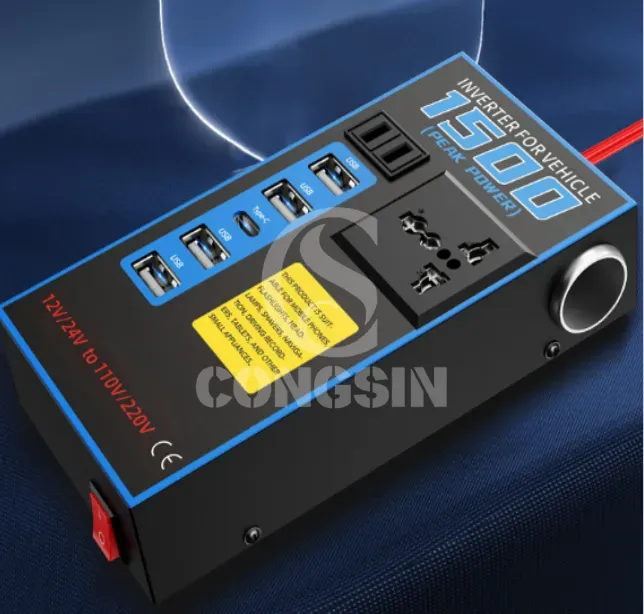
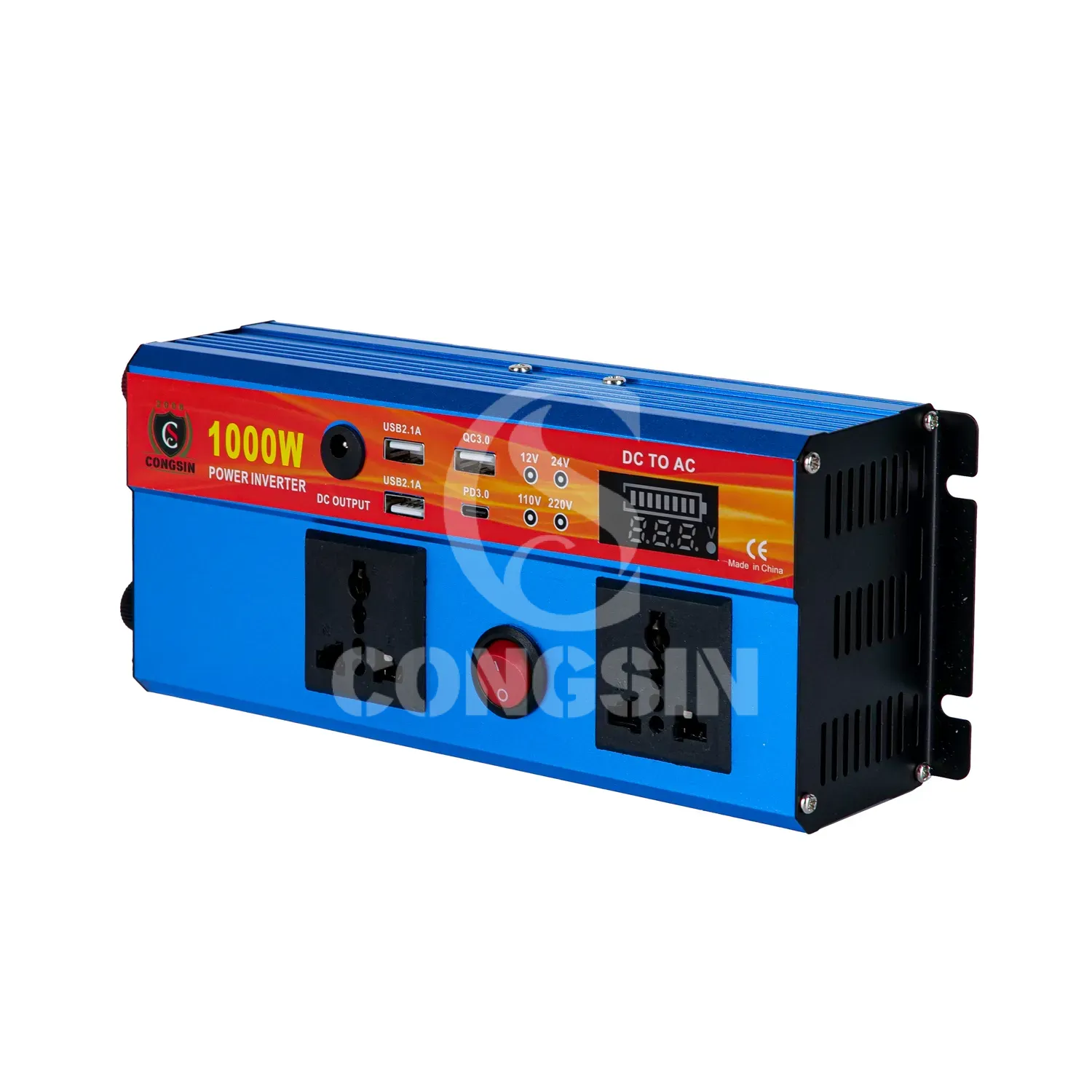
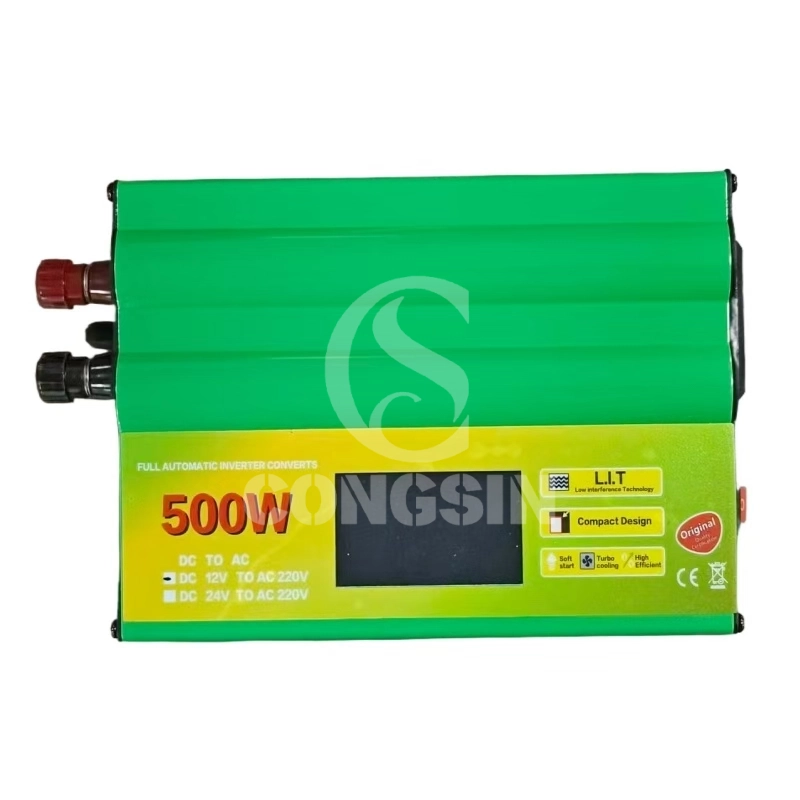
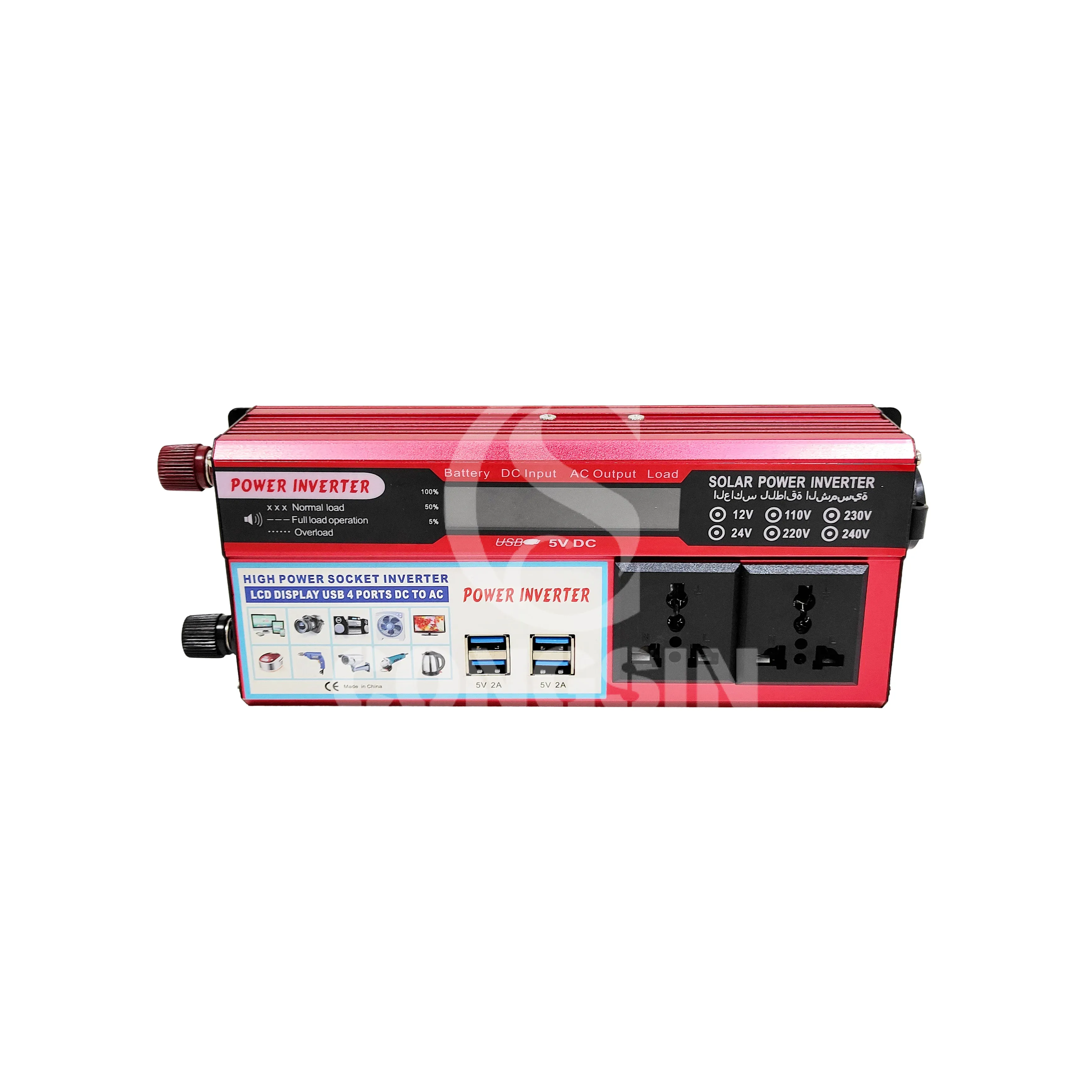
Congsin offers a range of high-quality vehicle power inverters designed to meet diverse power needs. With a focus on reliability, efficiency, and user-friendly features, Congsin inverters are an excellent choice for those seeking dependable power solutions on the go.
For more information on selecting the best vehicle power inverter for your needs, you can watch the following video:
[Best Car Power Inverter | Top 12 Best Power Inverter Reviews (https://www.youtube.com/watch?v=Zseu4DbKGcU&utm_source=openai)


Modified Sine Wave Inverters
Is the dual input automatically recognized or manually switched?
Automatically recognize DC12V/24V input, no manual switching required.
What devices can it power?
Suitable for fans, lights, TVs, laptops, and small electric tools.
Pure Sine Wave Inverters
Can it drive a 3P air conditioner and an electric oven at the same time?
Total power needs to be calculated: the rated power of a 3P air conditioner is about 2200W-2500W, and the electric oven is about 1500W-2000W. The total power is 3700W-4500W, which exceeds the 3000W continuous power, so simultaneous use is not recommended; if used alone, the 6000W peak can meet the startup needs of both, and the battery capacity must be ≥200Ah (12V) when used alone.
Distributor
Do I need to carry inventory?
We offer flexible inventory options based on your market needs, and we can assist with supply chain management.
OEM & ODM Services
What’s the main difference between your OEM and ODM services?
OEM uses your brand on our standard products; ODM creates entirely new products based on your concept or specification.
Get in Touch with Our Team
You can also communicate with us directly through our online contact form. Please fill in the following information, and our team will contact you as soon as possible after receiving your message.

CONGSIN is a trusted OEM factory for power inverters, solar charge controllers, and DC converters. Reliable solutions for global B2B buyers.
 High Quality
 7/24 Service
 Guaranteed Warranty
© 2025 Congsin. All Rights Reserved.